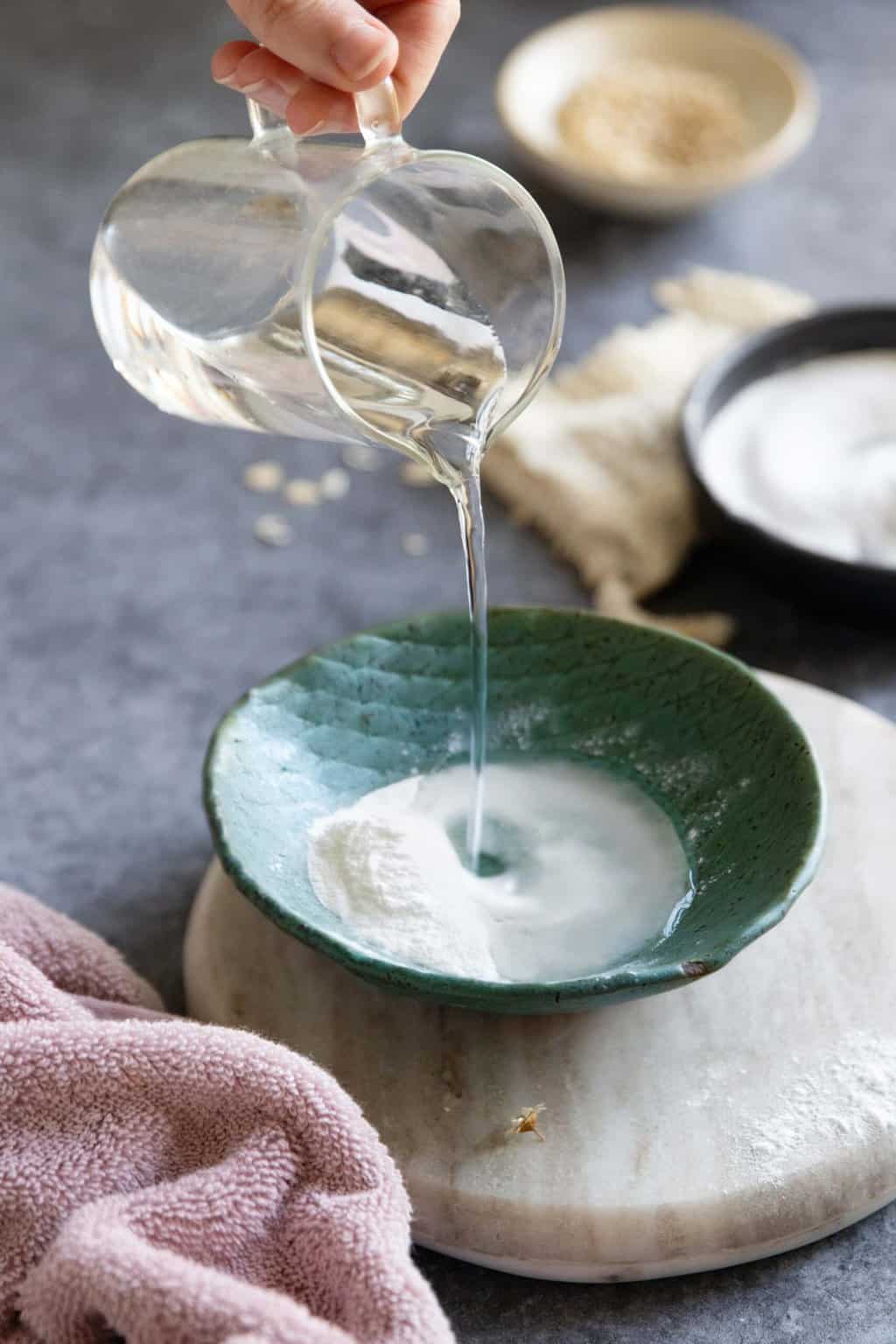
Unlock Radiant Skin with DIY Baking Soda Scrubs: Your Guide to Natural Exfoliation
In the quest for glowing, smooth skin, many turn to an array of expensive products, unaware that one of the most effective, affordable, and readily available solutions might be sitting in their kitchen cupboard right now: baking soda. More than just a baking ingredient or a cleaning marvel, this humble powder holds incredible potential for beauty benefits, particularly when it comes to *diy baking soda exfoliation*. If you’re curious about harnessing its power to transform your complexion and body, you've come to the right place. We're here to guide you through crafting simple, yet potent, baking soda scrubs that will leave your skin feeling incredibly soft and looking undeniably radiant.
Why Exfoliate? The Secret to Smoother, Healthier Skin
Before diving into the recipes, let's understand why exfoliation is a crucial step in any skincare routine. Our skin constantly renews itself, shedding old, dead skin cells to make way for new ones. However, sometimes these dead cells don't shed completely, accumulating on the skin's surface. This buildup can lead to a dull, rough complexion, clogged pores, and even hinder the absorption of your favorite serums and moisturizers.
Regular exfoliation helps to gently remove this layer of dead skin, revealing the fresh, vibrant skin underneath. The result? Improved skin texture, a brighter appearance, reduced breakouts, and enhanced efficacy of your other skincare products. For most skin types – oily, acne-prone, combination, and "normal" – integrating an exfoliator 2-3 times a week can make a significant difference. Those with dry or sensitive skin should approach exfoliation with caution, opting for once a week or less, and always performing a patch test first.
The Gentle Power of DIY Baking Soda Scrubs for Your Face
When it comes to facial exfoliation, selecting the right physical exfoliant is key. Many popular scrubs utilize ingredients like sugar or coffee grounds, which, while effective for the body, can be too harsh for the delicate skin on your face due to their larger, coarser granules. This is where baking soda truly shines. Its unique,
fine grit makes it an ideal choice for gently polishing facial skin without causing micro-tears or irritation, provided it's used correctly.
Creating a *diy baking soda exfoliation* scrub for your face is remarkably simple, typically requiring just two ingredients: the baking soda itself (your physical exfoliant) and an emollient (a moisturizing base).
Basic Face Scrub Recipe:
*
Ingredients:
* 1 teaspoon baking soda
* A few drops of water, or 1/2 teaspoon of a nourishing oil (like vitamin E oil, jojoba oil, or fractionated coconut oil)
*
Instructions:
1. In a small bowl, combine the baking soda with your chosen emollient.
2. Mix until a paste forms. The consistency should be more emollient than granular – remember, your face is delicate! You want a smooth, spreadable paste, not a dry, crumbly mixture.
3. Gently apply the paste to damp skin using light, circular motions, avoiding the delicate eye area.
4. Massage for 30-60 seconds, then rinse thoroughly with lukewarm water.
5. Pat your skin dry and follow immediately with your favorite moisturizer.
Important Facial Exfoliation Tips:
*
"Less is More": As dermatologist Dr. Ife Rodney advises, "You want to exfoliate just enough to increase cell turnover and reveal fresh new skin." Over-exfoliating can strip your skin's natural protective barrier, leading to irritation, redness, and sensitivity.
*
Be Gentle: Always use light pressure. Let the fine grit of the baking soda do the work, not the force of your hands.
*
Patch Test: Before applying to your entire face, test a small amount on an inconspicuous area (like behind your ear) to ensure no adverse reaction.
Beyond the Face: Full-Body DIY Baking Soda Exfoliation
While your face requires a gentle touch, the skin on your body is generally thicker and more resilient, meaning it can handle a slightly more robust scrub. This allows for greater flexibility in your *diy baking soda exfoliation* efforts for areas like elbows, knees, feet, and even your back. Body exfoliation is fantastic for smoothing rough patches, improving circulation, and helping prevent ingrown hairs.
Basic Body Scrub Recipe:
*
Ingredients:
* 1 cup baking soda
* 1 tablespoon of your preferred oil (coconut oil, olive oil, almond oil, or grapeseed oil work beautifully)
* (Optional) A few drops of essential oil for fragrance (e.g., lavender for relaxation, peppermint for invigoration – *always dilute and use sparingly*)
*
Instructions:
1. In a bowl, gradually add the oil to the baking soda, mixing continuously.
2. Continue adding oil, one tablespoon at a time, until you achieve your desired consistency – a thick, spreadable paste that isn't too runny. You can increase the baking soda ratio slightly compared to a face scrub, but ensure it's still well-emulsified.
3. In the shower or bath, apply the scrub to damp skin.
4. Using firm but gentle circular motions, massage the scrub onto your body, paying extra attention to rough areas like elbows, knees, and heels.
5. Rinse thoroughly and pat dry.
6. Lock in moisture with a hydrating body lotion or oil.
This body scrub can also be a fantastic precursor to self-tanning, ensuring an even, streak-free application.
Crafting Your Perfect Scrub: Emollients and Customization
The beauty of *diy baking soda exfoliation* lies in its versatility. You can easily customize your scrubs by experimenting with different emollients and add-ins to cater to your specific skin needs and preferences.
*
Coconut Oil: Richly moisturizing and naturally antibacterial, great for dry skin.
*
Olive Oil: Packed with antioxidants and vitamins, excellent for mature or very dry skin.
*
Jojoba Oil: Mimics the skin’s natural sebum, making it suitable for all skin types, including oily and acne-prone.
*
Almond Oil: Lightweight and gentle, perfect for sensitive skin.
*
Honey: A natural humectant, meaning it draws moisture into the skin. It also has antiseptic properties, making it a great addition for acne-prone skin. Mix with water and baking soda for a soothing mask/scrub.
*
Aloe Vera Gel: Soothing and hydrating, ideal for calming irritated skin while exfoliating.
*
Glycerin: Another potent humectant that can add a smooth, silky feel to your scrub.
When adding essential oils, always research their properties and safety, dilute them properly, and avoid using them on your face unless specifically formulated for facial use. Remember, the goal is to enhance, not irritate. For more detailed instructions and diverse mixtures, you can refer to an
Uncover Your Glow: Easy DIY Baking Soda Exfoliation Guide.
Important Considerations and Best Practices for Safe Exfoliation
While *diy baking soda exfoliation* offers numerous benefits, mindful application is paramount to avoid irritation and ensure optimal results.
1.
Always Patch Test: This cannot be stressed enough, especially for facial applications or if you have sensitive skin. Apply a small amount of the scrub to an inconspicuous area and wait 24 hours to check for any redness, itching, or irritation.
2.
Frequency is Key: Stick to exfoliating 2-3 times a week for normal, oily, or combination skin, and once a week (or less) for dry or sensitive skin. Over-exfoliation can disrupt your skin's natural barrier, leading to dryness, increased sensitivity, and even breakouts.
3.
Gentle Application: Always use light, circular motions. Never scrub aggressively, as this can cause micro-abrasions and damage your skin.
4.
Moisturize Post-Exfoliation: Exfoliation can leave your skin more receptive to hydration. Always follow up with a nourishing moisturizer to lock in moisture and soothe your freshly exfoliated skin.
5.
Sun Protection: Freshly exfoliated skin is more susceptible to sun damage. Always apply a broad-spectrum sunscreen (SPF 30 or higher) after exfoliating, especially on your face, even on cloudy days.
6.
Avoid Irritated or Broken Skin: Do not use baking soda scrubs on skin that is sunburned, broken, irritated, or experiencing active inflammatory conditions like rosacea or severe acne.
7.
Storage: Since these are DIY products without preservatives, it’s best to make small batches for immediate use. If you make a larger batch for the body, store it in an airtight container in a cool, dry place and use it within a week or two. Discard if you notice any changes in smell or texture.
Conclusion
Baking soda truly is a versatile powerhouse, extending its utility far beyond the kitchen. Embracing *diy baking soda exfoliation* offers a natural, cost-effective, and highly customizable way to achieve smoother, more radiant skin from head to toe. By understanding your skin's needs, choosing the right emollients, and following best practices, you can safely unlock the incredible potential of this everyday ingredient. Bid farewell to dullness and welcome a naturally luminous glow with these simple, homemade scrubs. Your skin will thank you!